
Microphones for podcasting, vlogging & field recording | Motivs.lv
In the Microphones category you'll find lavalier, shotgun, condenser, dynamic and USB microphones, plus wireless systems and accessories. Ideal for podcasting, vlogging, interviews, studio recording and field work, these mics deliver clearer audio, reduced background noise and easy connectivity to cameras or computers. Browse by type, connectivity and use case to pick the microphone that best suits your needs and budget.
-24%

-5%

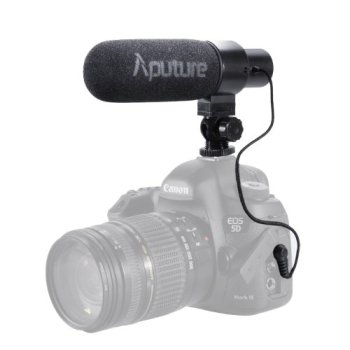


Our Microphones category covers a wide range of devices for capturing high-quality audio: lavalier (clip-on) mics, shotgun (directional) microphones, condenser microphones for studio work, dynamic mics for live performance, USB plug-and-play models, and wireless kits for mobile recording. Each type offers different sensitivity, polar patterns and connection options, so the right choice depends on your recording environment and goals.
Common use cases include podcasting and voiceover (condenser or USB microphones), vlogging and video production (shotgun and lavalier mics), interviews and reporting in the field (wireless lavalier systems), and live performances (dynamic microphones). For travel and outdoor work, compact and rugged models with wind protection are especially useful. For children's use or education, simple USB mics are often the most user-friendly.
Key features to consider are polar pattern (cardioid, omnidirectional, supercardioid), connection type (XLR for professional setups, 3.5 mm for cameras and mobile devices, USB for computers), and power requirements (phantom 48V for many condensers). Build materials—usually metal bodies with durable plastics—and included accessories like shock mounts, pop filters, and windshields affect durability and sound quality. Sensitivity and frequency response determine how faithfully the mic captures voice and instruments.
How to choose the right microphone: first define your primary application — studio recording, livestreaming, mobile interviews or stage performance. Match the polar pattern to the environment (cardioid isolates the source; omnidirectional captures ambience). Check compatibility with your camera, mixer or smartphone (adapters may be required). If recording outdoors, opt for wind protection and secure mounts. Also consider spare cables, preamps, and whether you need a battery-powered or phantom-powered solution.
- Wide selection: lavalier, shotgun, condenser, dynamic, USB, and wireless
- Connections: XLR, 3.5 mm, USB — choose by device compatibility
- Polar patterns: cardioid, omnidirectional, supercardioid for different scenarios
- Power: phantom 48V for condensers; battery or USB for portable models
- Accessories: windshields, pop filters, shock mounts and adapters
- Portability: compact options for travel and field recording


